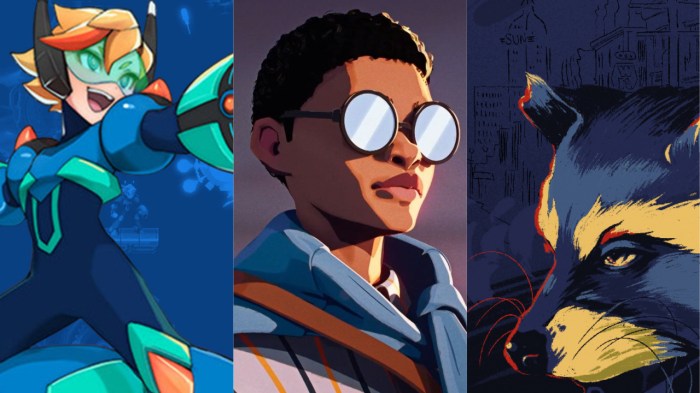
Prepare for a whirlwind tour through the vibrant, ever-evolving world of indie games! From humble beginnings in the shadows of AAA giants, the indie game scene exploded, fueled by technological breakthroughs and a burning desire for creative freedom. We’ll delve into the unique design philosophies, innovative gameplay mechanics, and the passionate communities that propelled this revolution, exploring everything from its humble beginnings to its dazzling, uncertain future.
This isn’t just a history lesson; it’s a celebration of ingenuity, a deep dive into the business models that make indie development tick, and a look at how these games have not only survived but significantly impacted the broader gaming landscape. Get ready to discover the unsung heroes, the groundbreaking titles, and the powerful forces that shaped the indie game revolution.
Defining the Indie Game Revolution
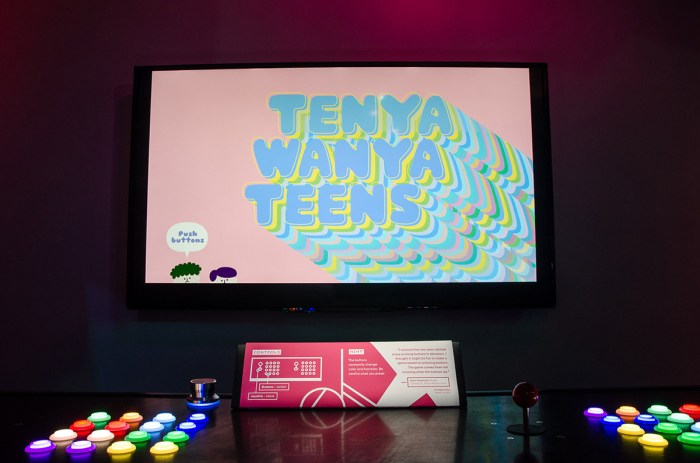
The rise of indie games represents a seismic shift in the video game landscape, a revolution fueled by technological advancements, creative freedom, and a direct connection between developers and players. This movement challenged the established norms of the AAA industry, fostering innovation and diversity within the gaming world. We’ll explore the key factors that shaped this remarkable transformation.
A Historical Overview of the Indie Game Scene
The roots of the modern indie game scene can be traced back to the early days of personal computing. While not formally recognized as “indie,” early pioneers like Richard Garriott (with
- Akalabeth*) and Chris Crawford (with
- Temple of Apshai*) laid the groundwork, creating games independently and distributing them through unconventional means. The emergence of shareware in the 1980s and 90s, allowing for trial-before-purchase models, further enabled independent developers to reach a wider audience. Games like
- Doom* and
- Wolfenstein 3D* demonstrated the potential of PC gaming and inspired a new generation of creators. The late 1990s and early 2000s saw the rise of influential titles like
- Dwarf Fortress* and
- StarCraft*, further pushing the boundaries of independent game development, often relying on passionate communities for feedback and support. The early 2000s also saw the rise of online distribution platforms, providing a crucial infrastructure for independent developers to reach a wider audience than ever before.
Technological Advancements Fueling Indie Game Development
Several technological advancements significantly lowered the barrier to entry for indie game development. The proliferation of affordable and powerful personal computers, coupled with the development of user-friendly game engines like Unity and Unreal Engine, democratized game creation. These engines provided pre-built tools and functionalities, enabling individuals and small teams to create sophisticated games without needing extensive programming knowledge or large budgets.
Furthermore, the rise of accessible digital art tools and assets made it easier to create visually appealing games, even with limited resources. The increased availability of online tutorials and resources also played a significant role in fostering a collaborative and supportive community of indie developers.
Business Models: Indie vs. AAA
Indie developers often employ diverse business models, showcasing a flexibility unavailable to larger studios. While some still utilize traditional retail models, many rely on digital distribution platforms like Steam and itch.io, often employing a direct-to-consumer approach. This allows for more creative freedom in pricing and marketing strategies, including early access programs, tiered pricing, and the incorporation of community feedback throughout development.
In contrast, AAA studios typically rely on larger budgets and publisher partnerships, necessitating a focus on mass market appeal and higher production values. Their business models often involve significant upfront investment, requiring substantial sales to recoup costs. The risk associated with AAA game development necessitates a more conservative approach to gameplay and themes, often leading to less experimental titles.
Evolution of Indie Game Distribution Platforms
The evolution of indie game distribution platforms has been crucial to the success of the indie game revolution.
- Early Days (Pre-2000s): Shareware, CD-ROMs, and direct downloads from developer websites were the primary methods of distribution, reaching a limited audience.
- 2000s – Mid 2010s: Platforms like Steam emerged as dominant forces, offering a centralized marketplace for indie games, reaching a massive global audience. Other platforms like GOG and Desura also gained traction.
- Mid 2010s – Present: The landscape diversified further with the rise of platforms like itch.io, offering more control to developers and catering to niche genres and audiences. This reflects a growing desire for greater diversity and more direct developer-player relationships.
Indie Game Design and Innovation
The indie game scene is a vibrant ecosystem of creativity, pushing the boundaries of what’s possible in interactive entertainment. Unlike their AAA counterparts, indie developers often prioritize innovative gameplay mechanics, unique art styles, and compelling narratives over massive budgets and marketing campaigns. This freedom allows for experimentation and the birth of truly original gaming experiences. This section will explore the unique design philosophies and approaches that define the indie game revolution.
Unique Design Philosophies and Approaches
Indie game developers frequently embrace unconventional design philosophies. Resourcefulness is key; limited budgets often necessitate creative problem-solving, leading to innovative solutions in art, sound design, and gameplay. Many indie titles favor a more personal, narrative-driven approach, focusing on emotional resonance and player agency rather than expansive, action-packed gameplay. A strong emphasis on originality is also common; indie developers are often less constrained by market trends, resulting in a wider variety of game genres and styles.
Consider the minimalist aesthetic of Monument Valley, contrasting sharply with the hyper-realistic graphics of many AAA titles. This difference reflects a fundamental shift in design priorities.
Recurring Themes and Genres
Several themes and genres consistently appear in the indie game landscape. Narrative-driven experiences, often with a focus on character development and emotional storytelling, are prevalent. Pixel art and retro-inspired aesthetics remain popular, offering a nostalgic charm and often reducing development time and resource requirements. Puzzle games, roguelikes, and metroidvanias also represent significant genres within the indie scene, each offering unique challenges and replayability.
The exploration of complex themes such as social commentary, environmentalism, or mental health is also a common characteristic, showcasing the medium’s potential for deeper meaning beyond pure entertainment. Games like Papers, Please effectively demonstrate this trend.
Experimentation with Game Mechanics and Storytelling
Indie developers frequently experiment with novel game mechanics and storytelling techniques. This often involves unconventional control schemes, unique interaction systems, and emergent narratives that adapt to player choices. Procedural generation, for instance, allows for highly replayable games with constantly evolving environments and challenges. Non-linear storytelling, where the player’s actions significantly impact the narrative arc, is another common feature, fostering a sense of player agency and immersion.
Undertale, for example, is renowned for its innovative approach to combat and storytelling, allowing players to interact with enemies in non-violent ways.
Examples of Boundary-Pushing Indie Games
Several indie games have significantly impacted the industry by pushing creative boundaries. Minecraft redefined the sandbox genre with its limitless possibilities and player-driven world creation. Braid innovated time manipulation mechanics in a puzzle platformer, introducing complex narrative layers. Journey, with its minimalist aesthetic and evocative soundtrack, showcased the power of non-verbal storytelling. These examples highlight the ability of indie games to introduce novel mechanics and redefine established genres.
Comparison of Prominent Indie Game Genres
The following table compares three prominent indie game genres: Roguelikes, Metroidvanias, and Puzzle Games.
| Genre | Core Mechanics | Target Audience | Examples |
|---|---|---|---|
| Roguelike | Procedurally generated levels, permadeath, emphasis on replayability, often challenging gameplay. | Players who enjoy challenge, replayability, and emergent gameplay. | Hades, Spelunky, Binding of Isaac |
| Metroidvania | Exploration-focused gameplay, interconnected world map, gradual acquisition of new abilities allowing access to previously inaccessible areas. | Players who enjoy exploration, progression, and a sense of discovery. | Hollow Knight, Axiom Verge, Ori and the Blind Forest |
| Puzzle | Problem-solving through manipulation of objects, environments, or rules. Can range from simple to extremely complex. | Players who enjoy strategic thinking, problem-solving, and creative challenges. | Portal, The Witness, Monument Valley |
The Impact of Indie Games on the Broader Gaming Industry
Indie games, once considered a niche market, have profoundly reshaped the landscape of the broader gaming industry. Their influence extends far beyond their initial impact on player preferences, significantly altering design philosophies, fostering creative experimentation, and even revolutionizing marketing strategies employed by both independent and AAA developers. This section will explore the multifaceted ways indie games have left an indelible mark on the gaming world.
Indie Games’ Influence on AAA Game Design and Development
Indie games have acted as a fertile testing ground for innovative game mechanics and design approaches. AAA studios, often constrained by budgetary limitations and market expectations, frequently observe the successes and failures of indie titles to inform their own development processes. For example, the roguelike genre, popularized by indie titles like
- Spelunky* and
- The Binding of Isaac*, has influenced the design of numerous AAA games, incorporating procedural generation and replayability features. Similarly, the minimalist aesthetic and focus on core gameplay mechanics seen in many indie games have inspired AAA developers to streamline their designs and avoid unnecessary complexity. This trend towards focused gameplay is evident in the increasing popularity of “games as a service” models, where regular updates and content expansions are prioritized over extensive initial content.
Indie Games’ Role in Fostering Creativity and Experimentation
The indie game development scene is characterized by a high degree of creative freedom and experimentation. Unburdened by the pressures of large budgets and publisher mandates, indie developers are free to explore unconventional game mechanics, narrative structures, and art styles. This has led to the emergence of unique and innovative game experiences that challenge established conventions. Games like
- Braid*, with its time-manipulation mechanics and meta-narrative, or
- Journey*, with its emphasis on emotional storytelling and non-verbal communication, demonstrate the potential for indie games to push the boundaries of what is considered possible within the medium. This experimentation has, in turn, inspired AAA developers to embrace greater risk-taking and to explore new avenues of creative expression.
A Comparison of Marketing Strategies: Indie vs. AAA
Indie and AAA developers employ vastly different marketing strategies. AAA studios typically rely on large-scale marketing campaigns involving significant financial investment in advertising, public relations, and influencer outreach. Indie developers, on the other hand, often adopt more grassroots approaches, leveraging social media, online communities, and direct engagement with players to build hype and awareness. This difference is partly due to budgetary constraints, but also reflects a distinct ethos within the indie development community: a focus on building strong relationships with players and fostering a sense of community around their games.
Successful indie marketing often emphasizes transparency, direct communication, and a genuine connection with the player base. This approach, while less expensive than traditional AAA marketing, has proven remarkably effective in generating buzz and driving sales.
Influential Indie Games and Their Impact
The following list highlights some influential indie games and their significant contributions to the gaming world:
- Minecraft: Revolutionized the sandbox genre, inspiring countless imitators and influencing the design of many AAA games with its emphasis on player creativity and open-world exploration.
- Undertale: Redefined narrative-driven RPGs with its innovative meta-narrative and unique combat system, which prioritized pacifism and player choice.
- Stardew Valley: Achieved immense success through its charming aesthetic, relaxing gameplay, and strong focus on community building, proving the enduring appeal of life simulation games.
- Hollow Knight: Demonstrated the enduring appeal of challenging, Metroidvania-style exploration games, characterized by a rich world and intricate level design.
- Celeste: Successfully blended challenging platforming gameplay with a poignant narrative about overcoming personal struggles, showcasing the power of narrative integration in game design.
The Indie Game Community and Culture
The indie game scene thrives not just on innovative gameplay and unique art styles, but also on a vibrant and supportive community. This community, built on shared passion and mutual respect, plays a crucial role in the success and longevity of indie games, offering invaluable feedback, marketing assistance, and a sense of belonging for developers. The interconnectedness fostered within this community significantly impacts the overall health and growth of the indie game industry.The strength of the indie game community lies in its collaborative spirit and open communication.
Unlike the often more hierarchical structures found in larger game studios, indie developers frequently share resources, knowledge, and experiences, creating a powerful network of mutual support and advancement. This collaborative ethos extends to players, who are often actively involved in shaping the development and direction of the games they love.
Community Engagement and Indie Game Success
Community engagement is paramount to the success of indie games. Direct interaction with players allows developers to gather invaluable feedback, identify bugs, and understand player preferences, leading to more polished and enjoyable gaming experiences. This iterative development process, fueled by community input, is a defining characteristic of the indie game landscape. For instance, games like
- Stardew Valley* and
- Undertale* owe a significant portion of their success to the passionate communities that surrounded them, actively providing feedback and spreading the word through word-of-mouth marketing and online discussions. These communities become integral parts of the games themselves, extending the lifespan and impact far beyond the initial release.
The Role of Online Platforms in Fostering Community
Online forums, social media platforms, and streaming services have become essential tools for building and nurturing the indie game community. Forums like Reddit’s r/IndieGaming provide dedicated spaces for developers to share their work, seek feedback, and connect with potential players. Social media platforms like Twitter and Discord allow for real-time interaction, fostering a sense of immediacy and enabling quick responses to player queries or concerns.
Streaming platforms such as Twitch and YouTube offer opportunities for developers to showcase their games, interact with viewers directly, and build anticipation for upcoming releases. The use of these platforms allows for immediate feedback loops and a more organic growth of the community around the game.
Successful Indie Game Crowdfunding Campaigns
Crowdfunding platforms like Kickstarter and Indiegogo have become crucial launchpads for many successful indie games. These platforms allow developers to directly engage with potential players, build hype, and secure funding before even beginning full-scale development. Successful campaigns often leverage strong community engagement, presenting compelling pitches, showcasing engaging gameplay footage, and offering enticing rewards to backers. For example, the
- Star Citizen* campaign, while controversial for its extended development time, demonstrated the immense potential of crowdfunding for ambitious indie projects, raising tens of millions of dollars from its community. Similarly, smaller-scale campaigns like
- Undertale*’s Kickstarter campaign showcased the power of a passionate community backing a game with a unique vision.
Challenges and Rewards of the Indie Game Development Community
Being part of the indie game development community presents both unique challenges and rewarding experiences. The challenges include intense competition, the need for self-promotion, and the often unpredictable nature of game development. Developers often wear many hats, juggling programming, art, marketing, and community management simultaneously. However, the rewards are equally compelling: the creative freedom to pursue unique visions, the direct connection with players, and the satisfaction of building something from the ground up.
The supportive nature of the community often offsets the challenges, offering mentorship, collaboration opportunities, and a sense of shared purpose that makes the demanding process worthwhile. The ability to create a game exactly as envisioned, free from the constraints of large publishers, is a significant draw for many indie developers.
Online Games and the Indie Revolution
The rise of the internet has fundamentally altered the landscape of gaming, and the indie scene has been particularly adept at leveraging this shift. Independent developers, often working with smaller teams and budgets, have found online multiplayer to be a powerful tool for extending the reach and lifespan of their games, fostering vibrant communities, and achieving remarkable success. This section explores the unique relationship between online gaming and the indie revolution.
Indie developers have demonstrated a remarkable capacity for innovation within the online gaming space, often challenging the conventions established by larger studios. This is achieved through creative game mechanics, unique art styles, and a strong focus on community engagement. The success of many indie online games rests not just on polished graphics or complex narratives, but on their ability to provide a compelling and engaging online experience that fosters player interaction and loyalty.
Successful Online Indie Games and Their Key Features
Several indie online games have achieved remarkable success, demonstrating the potential of this market segment. Games like
- Rocket League*, a physics-based soccer game with cars, exemplifies the power of simple, yet addictive gameplay loops coupled with robust online multiplayer. Its success stems from intuitive controls, a fast-paced and competitive experience, and a readily accessible online matchmaking system. Another example,
- Among Us*, a social deduction game, became a global phenomenon due to its simple premise, deceptively deep gameplay, and the ease with which players could connect and play with friends or strangers. The game’s success highlights the power of social interaction and emergent gameplay within a streamlined online experience. Finally,
- Terraria*, a 2D sandbox adventure game, built a massive and loyal online community through its expansive world, deep crafting system, and collaborative gameplay options. Its longevity is a testament to the enduring appeal of persistent online worlds and community-driven content creation.
Comparison of Indie and Larger Online Game Multiplayer Aspects
While larger online games often boast higher production values, more complex features, and larger player bases, indie online games frequently excel in fostering a stronger sense of community and offering more unique gameplay experiences. Larger games, like
- World of Warcraft* or
- Fortnite*, prioritize massive scalability and intricate systems, sometimes at the expense of individual player agency or a strong sense of community cohesion. In contrast, many successful indie online games prioritize player interaction and a sense of shared experience. They often feature simpler mechanics, making them more accessible to a wider range of players. The focus is often less on grand narratives and sprawling worlds, and more on creating compelling and engaging interactions between players.
Challenges and Opportunities in Developing and Maintaining Online Indie Games
Developing and maintaining online indie games presents unique challenges. Smaller teams often lack the resources of larger studios, leading to difficulties in managing server infrastructure, combating cheating, and providing consistent updates and support. Securing funding and maintaining player interest over time can also be significant hurdles. However, the indie scene also benefits from opportunities that are less accessible to larger companies.
Indie developers are often more responsive to player feedback, able to adapt quickly to changing trends, and can foster a more intimate connection with their community. The lower barrier to entry in the indie space also allows for rapid experimentation and iteration, leading to innovative game designs and mechanics.
Impact of Online Communities on Indie Game Longevity
The online community is often the lifeblood of successful indie online games. Active and engaged communities provide invaluable feedback, contribute to content creation (through modding, for example), and serve as a powerful marketing tool. Games like
- Minecraft* and
- Factorio* exemplify the power of community-driven content in extending a game’s lifespan and appeal. A strong community can also help identify and resolve bugs, provide support to new players, and create a welcoming environment that encourages continued engagement. Conversely, a poorly managed or toxic community can quickly damage a game’s reputation and lead to player attrition. Therefore, cultivating and nurturing a positive and engaged online community is crucial for the long-term success of any online indie game.
Summary
The indie game revolution isn’t just a chapter in gaming history; it’s an ongoing narrative of innovation, community, and unbridled creativity. From pixel art pioneers to VR visionaries, indie developers continue to push boundaries, redefine genres, and inspire a new generation of gamers and developers alike. The future of gaming is undeniably intertwined with the continued evolution of this dynamic and inspiring movement, promising even more exciting and unexpected adventures to come.
Detailed FAQs
What makes an indie game “indie”?
Generally, “indie” signifies independence from large publishers. Indie developers often self-fund, self-publish, and retain creative control over their projects.
Are indie games always low-budget?
Not necessarily! While many indie games have limited budgets, some achieve significant success and can boast surprisingly large production values.
How do indie developers make money?
Common monetization strategies include direct sales, subscriptions, in-app purchases (IAPs), crowdfunding, and advertising.
What are some examples of hugely successful indie games?
Minecraft, Undertale, Stardew Valley, and Hollow Knight are just a few examples that achieved massive popularity and critical acclaim.