Ever felt the adrenaline surge of a chaotic online battle, where unpredictable alliances shift faster than the tides, and victory hangs on the razor’s edge of a perfectly timed grenade? That, my friend, is Multiplayer Madness. It’s the exhilarating blend of skill, strategy, and sheer pandemonium that defines some of the most memorable gaming experiences. Prepare to dive into the heart of this captivating phenomenon, exploring its mechanics, social dynamics, and the sheer, glorious mess that makes it so addictive!
From the coordinated assaults of team-based shooters to the emergent storytelling in sprawling MMOs, Multiplayer Madness manifests in countless forms. We’ll dissect the key ingredients—game mechanics, player interaction, and the often hilarious consequences of online connectivity—that fuel this uniquely engaging type of gameplay. We’ll also examine how different game genres leverage unique elements to create their own brand of chaotic fun.
Defining “Multiplayer Madness”
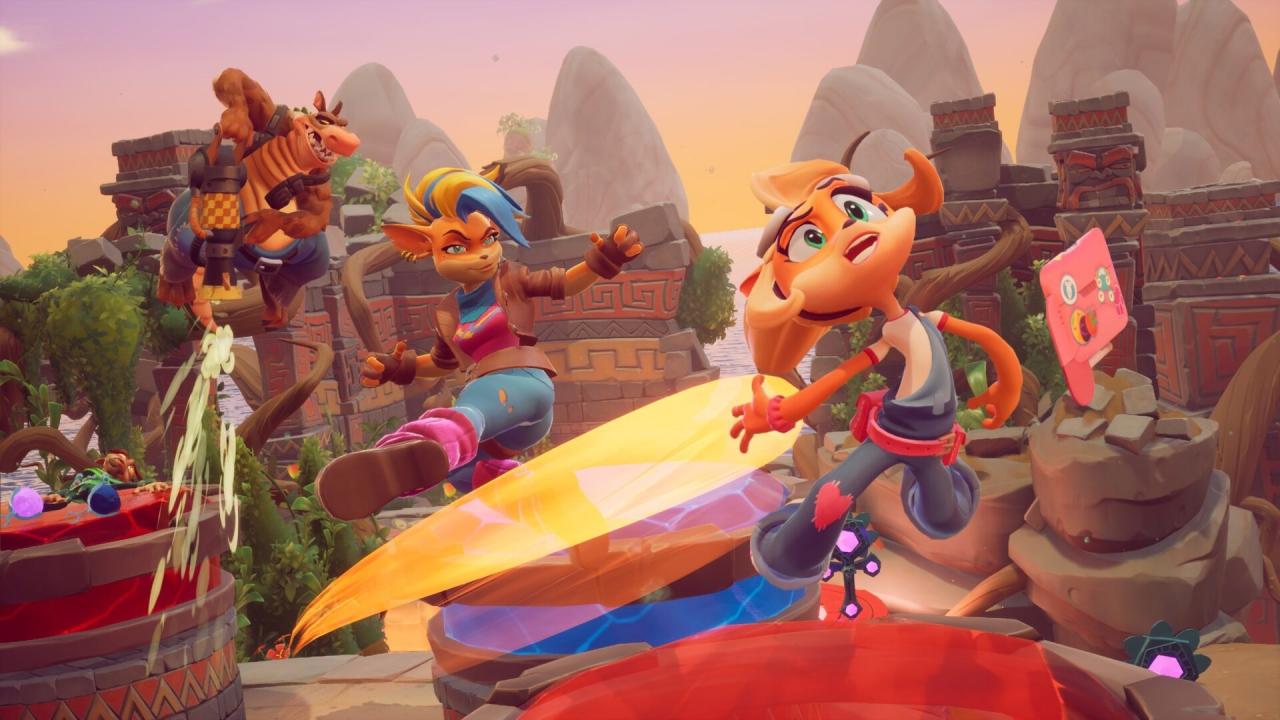
Multiplayer Madness, in the context of gaming, refers to the chaotic, unpredictable, and often hilarious situations that arise when multiple players interact within a shared game environment. It’s not necessarily about intense competition, although that can be a component, but rather the emergent gameplay that results from the unpredictable confluence of individual player actions and strategies. This can lead to moments of unexpected brilliance, frustrating setbacks, and unforgettable shared experiences, all contributing to a uniquely engaging and memorable gaming experience.Multiplayer Madness is characterized by a high degree of player agency and interaction, where the outcome is rarely predictable and often heavily influenced by player choices, both intentional and unintentional.
It thrives on the unexpected, the emergent, and the sheer unpredictability that comes from coordinating (or failing to coordinate) with others.
Examples of Games Embodying “Multiplayer Madness”
Several games exemplify the essence of Multiplayer Madness. Games like
- Gang Beasts*, with its physics-based slapstick combat, perfectly capture the chaotic fun. The unpredictable movements and interactions of the jelly-like characters lead to hilarious and unexpected outcomes, even in simple scenarios. Similarly,
- Rocket League*, with its fast-paced car soccer gameplay, creates moments of surprising skill and utter pandemonium as players attempt elaborate goals or spectacularly miss the ball altogether. The combination of simple mechanics and complex player interactions leads to countless unpredictable situations. Another example is
- Among Us*, where social deduction and deception combine to create a whirlwind of accusations, betrayals, and emergent storytelling. The uncertainty of who is the imposter fuels the chaos and keeps players guessing until the very end.
Types of Player Interactions Contributing to Multiplayer Madness
The chaotic nature of Multiplayer Madness is fueled by a variety of player interactions. Cooperation and competition often intertwine, leading to unexpected alliances and betrayals. Accidental teamwork, where players unintentionally assist each other through their actions, is a common occurrence. Conversely, unintentional sabotage, where a player’s actions inadvertently hinder their teammates, contributes to the unpredictable nature of the gameplay.
Furthermore, the emergent storytelling that arises from the combination of player choices and in-game events adds another layer to the experience. Finally, the sheer number of players involved often amplifies the chaos, making it difficult to predict the outcome of any given situation.
Hypothetical Game Scenario Showcasing “Multiplayer Madness”
Imagine a game set on a sprawling, procedurally generated island. Players, each controlling a unique character with different abilities, are tasked with collecting resources and building structures. However, the island is also populated by unpredictable environmental hazards, such as sudden volcanic eruptions or aggressive wildlife. Players can cooperate to overcome these challenges, but they can also sabotage each other’s efforts, leading to intense competition over resources and strategic locations.
A player might accidentally trigger a landslide, burying another player’s carefully constructed base. Or a player might lure a giant monster towards a rival’s settlement, causing widespread destruction. The combination of cooperative goals, competitive elements, and unpredictable environmental factors would create a truly chaotic and hilarious experience, perfectly encapsulating the essence of Multiplayer Madness.
Gameplay Mechanics Driving “Multiplayer Madness”
Multiplayer Madness isn’t just about a high player count; it’s about the specific game mechanics that create chaotic, unpredictable, and often hilarious interactions. These mechanics amplify the inherent tension and excitement of competitive gameplay, transforming simple interactions into memorable moments of pandemonium. This section will explore key mechanics across various genres that contribute to this unique brand of multiplayer fun.
The core of Multiplayer Madness lies in the unpredictable consequences of player actions. Simple mechanics, when combined with multiple players, can create emergent gameplay far beyond the designer’s initial intentions. This emergent gameplay, fueled by player interaction and the inherent limitations or unexpected consequences of game mechanics, is the driving force behind the chaotic fun.
Resource Scarcity and Competition
Resource scarcity is a potent catalyst for Multiplayer Madness. When players compete for limited resources – be it health packs in a shooter, gold in a strategy game, or even just space on the map in a battle royale – the resulting conflict creates a dynamic and unpredictable environment. The desperate scramble for survival or victory intensifies player interaction, leading to unexpected alliances, betrayals, and ultimately, a chaotic free-for-all.
Games like PUBG and Fortnite exemplify this perfectly, with players constantly vying for weapons, supplies, and the advantageous high ground. The unpredictability of player encounters and the pressure of limited resources amplify the feeling of intense, chaotic competition.
Unpredictable Player Abilities and Interactions
Many games utilize abilities or mechanics that introduce an element of surprise and unpredictability into the gameplay. These can range from random power-ups in platformers to unpredictable character abilities in fighting games or unique character skills in MOBAs. The randomness inherent in these mechanics, coupled with the strategic choices players make in using them, can easily escalate into a chaotic, unpredictable mess.
For example, a well-timed ultimate ability in a MOBA can completely swing the tide of battle, leading to a dramatic shift in the game’s momentum.
Environmental Hazards and Interactions
Incorporating dynamic environments that react to player actions or introduce unexpected hazards significantly contributes to Multiplayer Madness. These hazards can range from environmental traps in puzzle games to destructible environments in shooters. The unpredictability of these elements adds another layer of chaos to the gameplay, as players must adapt to the changing environment and the actions of other players simultaneously.
The ability to alter the environment, such as destroying bridges or triggering avalanches, can drastically affect the strategic landscape and further enhance the chaotic nature of the game.
Table Comparing Games and Mechanics Contributing to Multiplayer Madness
| Game | Genre | Key Mechanics Driving “Multiplayer Madness” | Impact on Gameplay |
|---|---|---|---|
| Overcooked! 2 | Cooperative Cooking | Shared workspace, time limits, chaotic kitchen design, unpredictable orders | Intense coordination, hilarious failures, emergent teamwork (or lack thereof) |
| Gang Beasts | Party Fighting | Physics-based combat, unpredictable character movement, environmental hazards | Hilarious ragdoll physics, chaotic brawls, unexpected outcomes |
| Rocket League | Sports/Vehicle Combat | Physics-based gameplay, aerial maneuvers, unpredictable ball trajectories, team-based competition | High-octane action, incredible goals, intense rivalries, unexpected saves and rebounds |
The Social Dynamics of “Multiplayer Madness”
Multiplayer Madness isn’t just about winning; it’s a vibrant social crucible where cooperation, competition, and everything in between collide. The unpredictable nature of human interaction fuels the chaos, creating a unique and often hilarious experience. The ebb and flow of alliances, betrayals, and unexpected heroics define the social landscape of these games, shaping the overall gameplay far beyond individual skill.The interplay between communication and teamwork (or the lack thereof) is a cornerstone of the Multiplayer Madness experience.
Communication and Teamwork in Multiplayer Games
Effective communication can transform a ragtag group of players into a well-oiled machine, capable of achieving seemingly impossible feats. Imagine a coordinated raid in a massively multiplayer online role-playing game (MMORPG), where players utilize voice chat to strategize, assigning roles and executing complex maneuvers with precision. Conversely, a complete absence of communication often leads to hilarious, chaotic, and sometimes disastrous outcomes.
A team failing to coordinate their actions might find themselves constantly clashing, unintentionally hindering each other’s progress, creating a comedic yet frustrating experience for everyone involved. The dynamic shifts dramatically depending on the level of communication and the willingness of players to collaborate.
Emergent Gameplay from Unexpected Player Interactions
The unpredictable nature of human behavior leads to spontaneous and often unforgettable moments. For instance, in a team-based shooter, a player might unintentionally trigger a chain reaction by accidentally knocking an enemy off a cliff, creating an unexpected victory. Or, a seemingly insignificant act of kindness, like sharing resources with a struggling teammate, could spark an unlikely alliance, turning the tide of the game.
These unplanned events are a significant part of the Multiplayer Madness appeal, showcasing the unpredictable beauty of emergent gameplay. In a battle royale game, for example, a last-minute truce between two remaining players, formed out of mutual respect or shared exhaustion, can be just as compelling as a fierce final showdown.
Factors Influencing the Social Dynamics of Multiplayer Games
Several factors contribute to the unique social dynamics of Multiplayer Madness.
- Game mechanics: The rules and objectives of the game significantly shape player interactions. Competitive games tend to foster more aggressive behavior, while cooperative games encourage teamwork.
- Player skill levels: Disparities in skill can lead to frustration and conflict, particularly if less skilled players feel they are being held back or unfairly targeted.
- Game mode: Different game modes (e.g., deathmatch, team-based objective modes) elicit different social behaviors. Deathmatch often leads to a more individualistic and competitive environment, while objective-based modes encourage collaboration.
- Community culture: The overall tone and expectations within a game’s community influence player behavior. A toxic community can lead to harassment and negativity, while a supportive community can foster a more positive and collaborative atmosphere.
- Communication tools: The availability and effectiveness of communication tools (e.g., voice chat, text chat) dramatically affect the level of coordination and interaction among players.
Player Personalities and Multiplayer Chaos
Player personalities play a crucial role in shaping the chaotic nature of multiplayer games. Introverted players might prefer to observe and strategize, while extroverted players might be more likely to take risks and engage in direct confrontation. Some players thrive in cooperative environments, while others prefer to compete fiercely for individual glory. These diverse personalities, interacting within the confines of the game’s rules and objectives, create a dynamic and unpredictable social landscape.
The clash of different playstyles and personalities, combined with the inherent randomness of many multiplayer games, generates a unique brand of “Multiplayer Madness.” For example, a highly competitive player might clash with a more casual player, leading to arguments and disruptive gameplay. Conversely, a cooperative player might form a strong bond with another player based on shared goals and mutual respect, resulting in effective teamwork.
Multiplayer Madness in Different Game Genres
Multiplayer Madness, that exhilarating blend of chaotic competition and intense collaboration, manifests differently across various game genres. The specific mechanics and social dynamics at play heavily influence the overall experience, shaping the unique flavor of “madness” in each case. Understanding these variations reveals the depth and breadth of this captivating phenomenon.
Multiplayer Madness in First-Person Shooters
First-person shooters (FPS) are perhaps the most iconic genre for showcasing Multiplayer Madness. The fast-paced action, coupled with the immediate feedback of gunplay, creates a potent recipe for exhilarating chaos. Imagine a final round of a competitive match in Counter-Strike: Global Offensive, where the remaining players engage in a frantic firefight, grenades exploding, bullets flying, and strategic maneuvers clashing in a whirlwind of adrenaline.
Or consider the unpredictable team battles in Call of Duty, where coordinated assaults are disrupted by sudden flanking maneuvers and unexpected enemy appearances, turning the tide of the battle in an instant. The inherent tension and high stakes amplify the feeling of “madness,” transforming every encounter into a memorable, chaotic event. The constant pressure of survival, the need for quick decision-making, and the unpredictable actions of other players all contribute to this immersive experience.
Multiplayer Madness in Real-Time Strategy and MOBA Games
The expression of Multiplayer Madness differs significantly between real-time strategy (RTS) games and Multiplayer Online Battle Arenas (MOBAs). In RTS games like StarCraft II, Multiplayer Madness might involve a late-game push where multiple armies clash, resulting in a complex ballet of unit micro-management and strategic resource allocation. The chaos stems from managing multiple units, reacting to opponent’s strategies, and anticipating their next move amidst the pressure of a rapidly changing battlefield.
In contrast, MOBAs like League of Legends showcase Multiplayer Madness through team fights where five players on each side engage in a coordinated, yet often chaotic, melee. The “madness” here is less about large-scale strategic maneuvers and more about the fast-paced, dynamic interplay between individual heroes, their abilities, and the unpredictable actions of other players. The focus is on individual skill and team coordination within a smaller, more concentrated battlefield.
Multiplayer Madness in Cooperative versus Competitive Multiplayer Games
The experience of Multiplayer Madness differs drastically between cooperative and competitive multiplayer games. In cooperative games like Left 4 Dead, Multiplayer Madness manifests as a thrilling struggle for survival against overwhelming odds. The chaotic hordes of enemies, combined with the pressure of coordinating with teammates to overcome obstacles and achieve shared objectives, create a unique brand of exhilarating teamwork under pressure.
The “madness” is in the shared struggle and triumph. In competitive games, the “madness” is fueled by the thrill of victory and the agony of defeat. The intense competition and the desire to outmaneuver opponents create a different kind of chaos, often characterized by calculated risks, strategic outplays, and the pressure of individual performance within a team dynamic. The focus shifts from shared struggle to individual and team competition.
Genre-Specific Mechanics Driving Multiplayer Madness
Several game mechanics contribute to the creation of Multiplayer Madness across different genres.
- Resource Management (RTS): The frantic scramble for resources and the strategic deployment of units under pressure creates a chaotic, yet engaging, experience.
- Hero Abilities (MOBAs): The unpredictable combinations of hero abilities and the potential for game-changing ultimates contribute to the fast-paced and chaotic nature of MOBAs.
- Environmental Hazards (Survival Games): The addition of unpredictable environmental elements like storms, wildlife, or collapsing structures increases the chaos and demands quick thinking and adaptation.
- Random Events (Various Genres): The introduction of unexpected events, such as sudden power-ups, shifting objectives, or the appearance of powerful enemies, dramatically increases the unpredictable nature of the gameplay.
- Team-Based Objectives (Various Genres): The necessity of coordinated action to achieve shared goals amplifies the sense of teamwork and shared experience, enhancing the feeling of “madness” in both cooperative and competitive settings.
Online Games and “Multiplayer Madness”
The boundless digital landscapes of online games provide fertile ground for “Multiplayer Madness” to flourish. The inherent anonymity, vast player bases, and instantaneous interactions inherent in online environments amplify the chaotic and unpredictable nature of multiplayer experiences, often exceeding the intensity found in local multiplayer settings. This intensification is driven by several key factors, from technical limitations to the sheer scale of the online world.Online connectivity acts as a catalyst, exponentially increasing the potential for “Multiplayer Madness.” The speed and ease of interaction with numerous players from across the globe creates a dynamic unlike anything found in offline games.
This constant influx of diverse players, each with their own playstyles and personalities, generates a unpredictable environment where unexpected alliances, betrayals, and emergent gameplay constantly reshape the game’s landscape. The lack of physical proximity further reduces inhibitions, leading to more impulsive actions and heightened competition.
Latency and Server Performance Impact on Multiplayer Madness
Latency, the delay in communication between players and the game server, significantly impacts the experience of “Multiplayer Madness.” High latency can lead to frustrating gameplay, causing actions to appear delayed or unresponsive, and potentially resulting in unfair outcomes. This can lead to increased player frustration, triggering toxic behavior and escalating the intensity of the “madness.” Conversely, a well-optimized server with low latency enhances the fluidity of the game, allowing for quick reflexes and strategic maneuvers, but even then, the inherent unpredictability of numerous players still contributes to chaotic scenarios.
Imagine a fast-paced first-person shooter where a slight lag causes a crucial shot to miss, leading to a chain reaction of unexpected events and a completely altered game state. Poor server performance, including crashes or lag spikes, can completely disrupt the flow of the game, adding another layer of unpredictability and potential for frustration.
Online Features Contributing to Unexpected Gameplay
Many online games incorporate features designed to enhance social interaction and competition, often unintentionally fostering “Multiplayer Madness.” For example, in games with voice chat, spontaneous collaborations and heated arguments can erupt, dramatically altering team dynamics and the overall flow of gameplay. Similarly, features like in-game marketplaces or trading systems can introduce unexpected economic fluctuations, leading to sudden shifts in power and alliances within the game’s community.
Consider the example of a massively multiplayer online role-playing game (MMORPG) where a rare item suddenly becomes highly sought after, leading to a chaotic scramble among players to acquire it, resulting in unexpected alliances and betrayals. The unpredictable nature of these features contributes significantly to the overall chaotic experience.
Scale of Online Multiplayer Enhancing Multiplayer Madness
The sheer scale of online multiplayer games contributes significantly to the sense of “Multiplayer Madness.” The vast number of players interacting simultaneously creates a dynamic and unpredictable environment where emergent gameplay flourishes. Small actions by individual players can have unforeseen consequences, rippling through the game world and affecting the experiences of others. For example, in a large-scale battle in a strategy game, a single player’s unexpected tactical maneuver can completely alter the course of the battle, leading to a cascade of events that nobody could have predicted.
The sheer number of players and the potential for unforeseen interactions creates a level of complexity and chaos that is simply impossible to replicate in smaller-scale games. This unpredictable nature, fueled by the vast number of interacting agents, is a defining characteristic of “Multiplayer Madness” in online environments.
Visual and Auditory Elements of “Multiplayer Madness”
The experience of “Multiplayer Madness,” that chaotic, exhilarating rush of competitive online gaming, isn’t solely defined by gameplay mechanics. Visual and auditory elements play a crucial role in shaping the player’s perception of this intense, often overwhelming, experience. They work in tandem to create a sensory overload that perfectly mirrors the frenetic energy of the gameplay itself.Visual elements, in particular, contribute significantly to the feeling of pandemonium.
The constant movement, the flurry of effects, and the sheer number of on-screen elements all combine to create a visually stunning and overwhelming experience. This sensory bombardment directly translates into the feeling of “Multiplayer Madness”.
Visual Contributions to Multiplayer Madness
The visual representation of “Multiplayer Madness” hinges on several key components. Rapid, dynamic camera movements can heighten the sense of chaos, mirroring the player’s frantic actions within the game. Particle effects, such as explosions, sparks, and trails, add layers of visual complexity and further enhance the perception of intense action. Character animations, particularly exaggerated or stylized movements, can emphasize the frenetic energy of the gameplay.
A high player count, with numerous characters engaging in simultaneous actions, visually reinforces the feeling of overwhelming chaos. Finally, the use of vibrant, contrasting colors, particularly in the effects and UI, can further increase the visual intensity.
Auditory Enhancement of Multiplayer Madness
Sound design is equally critical in crafting the auditory landscape of “Multiplayer Madness.” Chaotic sound effects, such as overlapping weapon fire, explosions, and character screams, create a soundscape that is both intense and immersive. The layering of these sounds adds to the feeling of overwhelming chaos. Music, often high-energy and rhythmic, complements the visual chaos, providing a driving force that keeps the player engaged and immersed in the intense action.
Dynamic music that changes intensity with the gameplay, escalating during moments of peak action and subsiding during calmer periods, contributes significantly to the overall emotional impact. The strategic use of audio cues, such as warnings or alerts, can also add to the sense of urgency and pressure, amplifying the feeling of “Multiplayer Madness”.
Example Game Scene: A “Multiplayer Madness” Scenario
Imagine a scene in a futuristic arena shooter. Twenty players, each with unique, brightly colored armor and weaponry, clash in a confined space. Explosions rock the arena, showering the screen with vibrant particles of orange and blue. Laser fire streaks across the screen, accompanied by a cacophony of blaster shots and energy weapon impacts. Characters leap and dive, their movements exaggerated and fluid, each action accompanied by the clang of metal and the whoosh of energy blasts.
The music is a driving, electronic track, its tempo increasing as the battle intensifies. The overall visual and auditory experience is a whirlwind of intense action and sensory overload, perfectly encapsulating the essence of “Multiplayer Madness”.
Sound Effect Profile for “Multiplayer Madness”
To evoke “Multiplayer Madness” effectively, a sound design needs to incorporate a range of elements. The core would be a layered soundscape of overlapping weapon fire, each weapon possessing its unique sonic signature (e.g., a high-pitched whine for energy weapons, a deep thud for heavy artillery). These would be complemented by ambient sounds – the roar of the crowd, the shattering of glass, the screams of players, and the general clamor of battle.
The inclusion of distinct audio cues for critical events (e.g., low health warning, enemy proximity alert) would further increase the tension and urgency. The music would be a high-energy, fast-paced track with dynamic shifts in intensity mirroring the action on-screen. The overall goal is to create a sonic experience that is as intense and overwhelming as the visual spectacle, reinforcing the feeling of “Multiplayer Madness.”
End of Discussion
So, there you have it – a whirlwind tour through the wild world of Multiplayer Madness! We’ve explored the mechanics, the social dynamics, and the sheer, glorious unpredictability that makes these experiences so unforgettable. Whether it’s the thrill of a last-second victory snatch, the belly laughs from a teammate’s epic fail, or the frustration (and eventual triumph) of overcoming seemingly insurmountable odds, Multiplayer Madness offers a unique blend of challenge and reward.
So, grab your controller, gather your friends (or foes!), and prepare for the glorious, unpredictable chaos that awaits!
FAQ Overview
What makes a game truly “Multiplayer Madness”?
It’s the combination of unpredictable player actions, emergent gameplay, and a high degree of chaos and excitement. Think less strategic planning, more glorious mayhem!
Can single-player games have elements of “Multiplayer Madness”?
While the core concept revolves around multiple players, some single-player games can mimic the feeling through AI opponents that act unpredictably or through complex systems that lead to emergent gameplay.
Is “Multiplayer Madness” always positive?
Not necessarily! While often fun, it can also lead to frustration, especially with lag, toxic players, or poorly designed mechanics. The experience is subjective.
How does “Multiplayer Madness” impact game design?
Designers must balance the chaos with clear goals and objectives. It’s about creating an environment where unpredictable events enhance, rather than detract from, the overall experience.