Get ready to witness the electrifying rise of esports! From humble beginnings in dimly lit basements to sold-out stadiums and global viewership in the millions, competitive gaming has exploded onto the world stage. This isn’t just about pixels and polygons; it’s a multi-billion dollar industry shaping entertainment, technology, and even professional sports as we know them. Prepare for a whirlwind tour through the history, technology, and culture that’s driving this phenomenal growth.
We’ll delve into the key factors fueling this explosion, exploring everything from the evolution of iconic game titles and the rise of professional leagues to the technological advancements that make it all possible. We’ll also examine the vibrant communities that have sprung up around esports, the future trends shaping the industry, and the unique challenges and opportunities that lie ahead.
Buckle up, it’s going to be a wild ride!
Esports as a Professional Sport
The meteoric rise of esports has transformed video gaming from a hobby into a globally recognized professional sport. This transformation is marked by the emergence of sophisticated leagues, highly organized teams, lucrative sponsorships, and a dedicated fanbase rivaling that of traditional sports. The professionalization of esports has not only created exciting career paths for skilled gamers but also generated a multi-billion dollar industry.
The Emergence of Leagues, Teams, and Sponsorships
The professionalization of esports is largely attributed to the establishment of structured leagues and teams. These organizations provide a framework for competition, allowing players to hone their skills, compete for significant prizes, and build a professional brand. Early esports scenes were often characterized by ad-hoc tournaments and individual players. However, the creation of leagues like the League of Legends Championship Series (LCS) and the Dota 2 Pro Circuit introduced consistent schedules, standardized rules, and a pathway to professional success.
Simultaneously, the rise of esports teams like Fnatic, Team Liquid, and Cloud9 demonstrated the importance of team management, coaching, and strategic planning. These teams operate much like traditional sports franchises, employing players, coaches, analysts, and support staff. The influx of sponsorships from companies like Red Bull, Twitch, and Logitech further solidified esports’ professional standing, providing crucial financial support and global exposure.
Successful Esports Organizations and Their Business Models
Several esports organizations have achieved remarkable success through diverse business models. Team Liquid, for instance, has built a multi-faceted business encompassing team ownership across various games, content creation, and merchandise sales. Their success relies on a combination of strong team performance, effective branding, and diversification of revenue streams. Cloud9, another prominent organization, employs a similar strategy, focusing on high-profile teams and strategic partnerships with brands.
Conversely, organizations like FaZe Clan have prioritized content creation and community engagement, leveraging their vast social media following to attract sponsors and build a strong brand identity. These examples illustrate the various paths to success in the esports industry, highlighting the importance of adaptability and innovation.
Player Salaries, Prize Pools, and Endorsements
The financial incentives in esports have been a significant catalyst for its growth. Top esports players earn substantial salaries, comparable to those in some traditional professional sports. Massive prize pools, particularly in major tournaments like The International (Dota 2) and The League of Legends World Championship, incentivize players to train relentlessly and strive for excellence. Endorsement deals with gaming companies, apparel brands, and other sponsors provide further income streams, allowing players to build wealth and establish their personal brands.
These financial rewards attract talented individuals to the competitive gaming scene, fostering continuous improvement and raising the overall level of play.
Comparison of Business Structures: Traditional Sports vs. Esports
The following table compares the business structures of traditional sports leagues and major esports leagues, highlighting similarities and differences.
| League Name | Revenue Model | Player Management | Fan Engagement |
|---|---|---|---|
| NBA (National Basketball Association) | Broadcast rights, ticket sales, merchandise, sponsorships | Franchise-based ownership, player drafts, free agency | Stadium attendance, televised games, social media engagement |
| NFL (National Football League) | Broadcast rights, ticket sales, merchandise, sponsorships | Franchise-based ownership, player drafts, free agency | Stadium attendance, televised games, social media engagement |
| LCS (League of Legends Championship Series) | Franchise fees, broadcast rights, sponsorships, merchandise | League-managed player contracts, free agency | Streaming viewership, online tournaments, social media engagement |
| Dota 2 Pro Circuit | Tournament prize pools, sponsorships, merchandise | Team-managed player contracts, free agency | Streaming viewership, online tournaments, social media engagement |
The Future of Esports
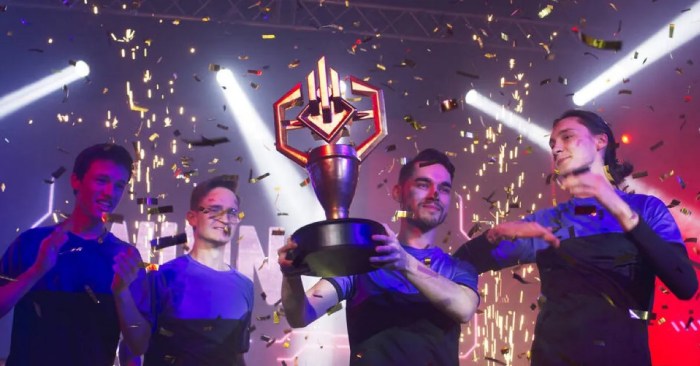
Esports is no longer a niche hobby; it’s a global phenomenon experiencing explosive growth. But what does the future hold for this dynamic industry? This section explores the trends, challenges, and opportunities that will shape the next chapter of competitive gaming. We’ll examine the potential for expansion, the impact of new technologies, and the inherent risks and rewards that lie ahead.
The esports landscape is constantly evolving, driven by technological advancements, shifting demographics, and the ever-increasing appetite for competitive entertainment. Predicting the future is inherently speculative, but by analyzing current trends and emerging technologies, we can paint a reasonably accurate picture of what’s to come.
Expansion into New Markets and Platforms
Esports’ global reach is already impressive, but there’s significant untapped potential. New markets in developing nations, particularly in Asia, Africa, and Latin America, represent fertile ground for growth. Furthermore, the rise of mobile gaming presents a massive opportunity to engage a wider audience, especially in regions with limited access to high-powered PCs. The success of mobile esports titles like PUBG Mobile and Call of Duty Mobile demonstrates the viability of this approach.
We can expect to see increased investment in localized tournaments and leagues tailored to specific regions and cultural preferences, fostering deeper engagement and broader participation. Streaming platforms beyond Twitch, such as YouTube Gaming and Facebook Gaming, will also continue to play a crucial role in expanding the viewership base.
The Impact of Virtual and Augmented Reality
Virtual Reality (VR) and Augmented Reality (AR) technologies are poised to revolutionize the esports experience. VR could offer immersive spectator experiences, allowing fans to feel like they’re right in the arena, while AR could overlay game information and statistics onto real-world environments, enhancing the viewing experience for both casual and hardcore fans. Imagine watching a League of Legends match with AR overlays displaying champion health, mana, and skill cooldowns directly onto your television screen – this is the kind of immersive experience these technologies can provide.
Moreover, VR could lead to the development of entirely new esports titles, specifically designed to leverage the unique capabilities of the technology, potentially opening up new genres and gameplay mechanics. The integration of these technologies, however, will require significant investment in infrastructure and development, and overcoming potential issues like motion sickness and accessibility.
Potential Risks and Opportunities
The future of esports is not without its challenges. Careful consideration of the following factors is crucial for sustainable growth.
The following list details potential risks and opportunities facing the esports industry in the coming years:
- Opportunity: Increased investment from traditional sports organizations and media companies. This influx of capital can lead to improved infrastructure, higher prize pools, and greater professionalization of the industry.
- Risk: The potential for burnout and mental health issues among professional players. A focus on player well-being and sustainable careers is crucial to mitigating this risk.
- Opportunity: The development of new game genres and esports titles. Innovation in game design will be vital in attracting new audiences and maintaining the industry’s dynamism.
- Risk: The challenge of maintaining fair play and combating cheating. Robust anti-cheat measures and effective governance are necessary to ensure the integrity of competitions.
- Opportunity: The growth of esports betting and sponsorship opportunities. Responsible regulation and ethical considerations are vital to capitalize on this potential without compromising the integrity of the sport.
- Risk: The potential for market saturation and declining viewership. Continuous innovation and diversification are crucial to maintaining audience engagement.
Esports and its Community
Esports has exploded beyond just competitive gaming, fostering vibrant and diverse global communities centered around shared passions, rivalries, and the thrill of competition. These communities are not just passive audiences; they are active participants, shaping the landscape of esports through their engagement and influence. The interconnectedness facilitated by digital platforms plays a crucial role in this phenomenon.The growth and interconnectedness of esports communities are significantly influenced by streaming platforms and social media.
These digital spaces provide avenues for fans to connect with players, teams, and each other, fostering a sense of belonging and shared experience.
The Diversity of Esports Communities
Esports communities are incredibly diverse, encompassing players of all skill levels, from casual gamers to professional athletes. Geographic boundaries are blurred, connecting individuals from across the globe who share a common interest in specific games or teams. Furthermore, the communities are not limited to just players; they include fans, commentators, analysts, coaches, managers, and even those involved in the technical aspects of broadcasting and event organization.
This creates a rich tapestry of individuals with varying levels of involvement and expertise, all contributing to the overall esports ecosystem. For example, the League of Legends community boasts millions of players worldwide, with dedicated fanbases clustered around specific teams and regions, each with its unique culture and online presence. Similarly, the Dota 2 community showcases a highly competitive and analytical fanbase, known for their in-depth strategy discussions and community-created tools.
The Role of Streaming Platforms and Social Media
Streaming platforms like Twitch and YouTube Gaming are central to esports community building. They provide a direct line of communication between players and fans, allowing for live interactions, Q&A sessions, and the development of parasocial relationships. Social media platforms like Twitter, Instagram, and Discord further amplify this engagement, enabling fans to share opinions, participate in discussions, and build online communities around their favorite teams and players.
The use of hashtags, live-streaming events, and interactive polls foster a sense of shared experience and collective identity among fans. For instance, the use of #VALORANT or #LeagueOfLegends allows fans to easily connect and discuss related content across various platforms.
The Impact of Esports on Fan Culture and Identity
Esports has significantly impacted fan culture, moving beyond traditional sports fandom. Fans develop strong allegiances to teams and players, often identifying strongly with their chosen esports identity. This can manifest in various ways, from wearing team merchandise to participating in online forums and fan-created content. This sense of community and shared identity is further strengthened through shared experiences, such as attending live events or watching tournaments together online.
The emotional investment fans have in their chosen teams and players is often comparable to, if not exceeding, that seen in traditional sports. The phenomenon of “fandom” in esports is unique in its global reach and digitally-mediated nature.
Roles Within the Esports Community
The success of esports relies on a diverse range of roles, each contributing to the overall ecosystem. Understanding these different roles is key to appreciating the complexity and depth of the esports community.
- Players: The core of esports, competing at various skill levels, from amateur to professional.
- Coaches: Strategists who guide and train players, optimizing their performance and teamwork.
- Commentators/Analysts: Provide expert insight and commentary during matches, enhancing the viewing experience.
- Team Managers/Owners: Oversee team operations, manage player contracts, and secure sponsorships.
- Fans: The driving force behind esports, providing viewership, engagement, and financial support.
- Streamers/Content Creators: Create and share esports-related content, engaging with the community and fostering growth.
- Event Organizers: Plan and execute esports tournaments and events, ensuring smooth operation and spectator enjoyment.
- Sponsors/Investors: Provide financial backing, enabling the growth and sustainability of the esports industry.
- Developers/Publishers: Create and maintain the games that form the foundation of esports competition.
End of Discussion
The Esports Explosion isn’t just a trend; it’s a revolution. From its grassroots origins to its current status as a global powerhouse, competitive gaming has redefined entertainment and competition. The future looks brighter than ever, with emerging technologies promising even more immersive and engaging experiences. Whether you’re a seasoned pro or a curious newcomer, the world of esports offers something for everyone – a world of skill, strategy, and electrifying competition that continues to captivate and inspire millions worldwide.
Answers to Common Questions
What are the biggest challenges facing the esports industry?
Maintaining player health and well-being, managing the intense pressure of competition, ensuring fair play and combating cheating, and navigating the complexities of international regulations are all major hurdles.
How much money can professional esports players make?
Earnings vary wildly depending on skill, game, team, and sponsorships. Top players in popular titles can earn millions annually, while others may supplement their income with streaming or coaching.
Is esports officially recognized as a sport?
Recognition varies by country and organization. While not universally considered a traditional sport, many governments and sports bodies are increasingly acknowledging esports’ competitive nature and professional structure.
How can I get involved in the esports scene?
There are many avenues! You can compete, stream, create content, become a coach, analyst, or even work in the business side of esports organizations. The possibilities are vast!